The waste management landscape in North America is reaching a tipping point. According to the 2025 Global Waste Index, the United States now generates a staggering 951 kg of waste per capita annually. This is a significant increase from 811 kg just three years ago.
While Canada’s municipal waste per capita is lower at 684 kg, the country faces a big hurdle in diversion. Approximately 67% of its waste still ends up in landfills.
The plastic crisis is just as pressing. The 2024 Progress Report from the Canada Plastics Pact reveals that the national recycling rate for plastic packaging is just 16%. With Canadians discarding nearly 5 million tonnes of plastic annually (roughly 130 kg per person), there’s a lot of waste that ends up in landfills or leaks into our environment.
In response, the Canadian Government is doubling down on a circular economy – a system built on reusing and remanufacturing. However, bridging the gap between "disposable" and "circular" requires a technological overhaul.
One of the most effective strategies to achieve this is through digitization. By leveraging digital technologies like IoT sensors, AI-driven data analytics, and real-time communication systems, waste companies can monitor and optimize every stage of the waste lifecycle, from collection and sorting to final processing.
Embracing digitization in the waste industry is more than a sustainability initiative. It’s a competitive necessity in today’s world. It revolutionizes waste management by improving recycling rates, reducing operational overhead, and enhancing data accuracy.
In this article, we’ll explore how digital transformation is reshaping the industry and the seven key benefits it brings to your waste management business, your customers, and the planet.
Digital waste management refers to the use of software, sensors, and data analytics to manage waste collection, hauling, recycling, and disposal more efficiently and accurately. By harnessing modern digital tools, digital waste management enhances the effectiveness and streamlines waste management.
Digital waste management relies on a combination of software platforms and connected technologies to improve how waste is collected, monitored, and managed. These include Artificial Intelligence (AI), robotics, the Internet of Things (IoT), blockchain, and data analytics.
Key waste management technologies and system components include:
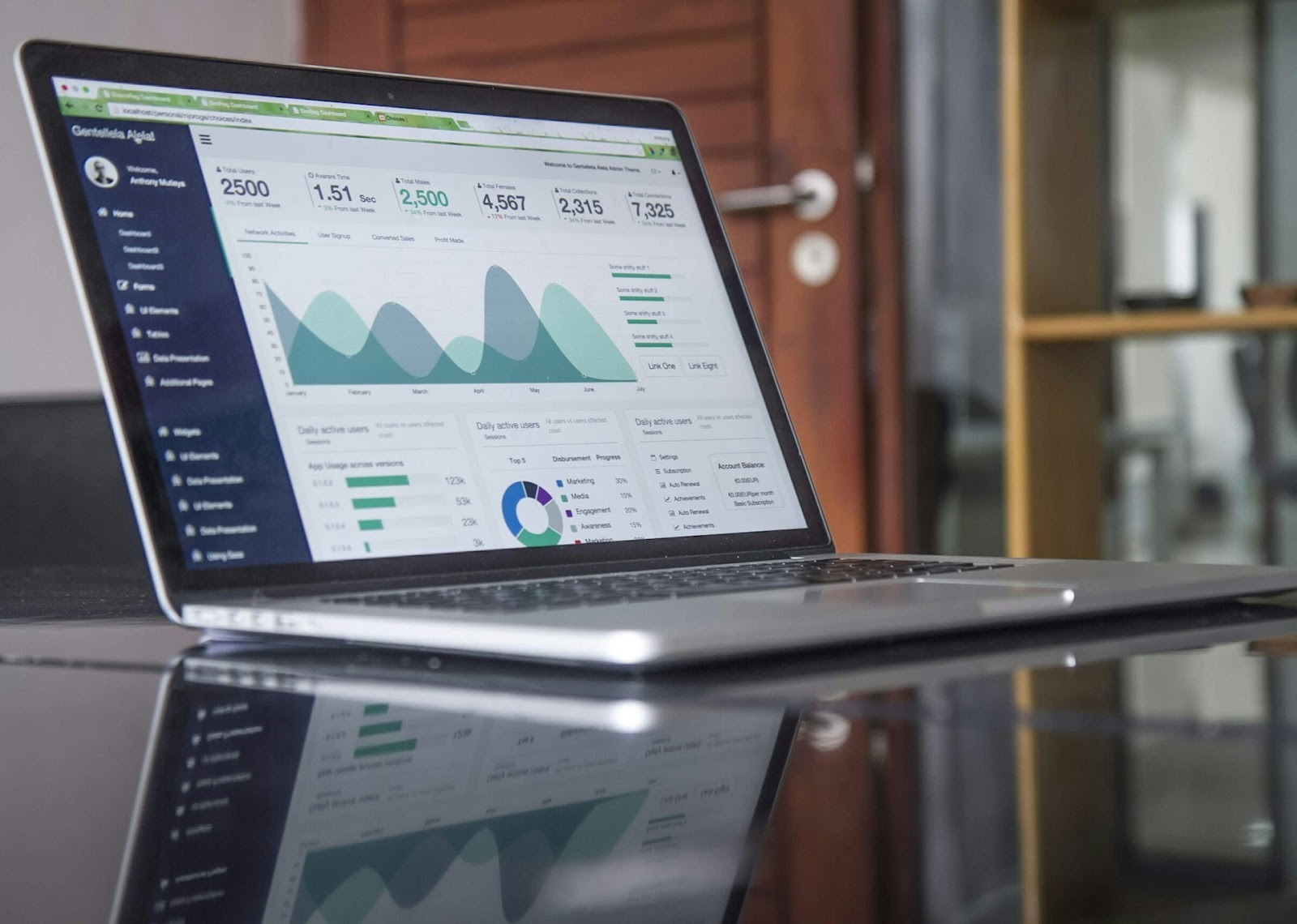
For decades, the waste management industry operated on "analog" logic. There were fixed routes, waste was sorted manually, and workers juggled separate systems and spreadsheets. However, as global waste volumes climb toward an estimated 3.8 billion tonnes annually by 2050, the old ways are no longer sustainable or profitable.
Digital transformation, including the integration of IoT, AI, and big data is a must for modern waste management companies.
Here is why this shift is vital for the industry today:
The main goal of a circular economy is to keep materials in use for as long as possible. Without digital tracking, it is nearly impossible to know exactly where materials are or what state they are in. Digitization helps track a product from disposal back to remanufacturing, ensuring that valuable resources like lithium, plastic, and rare earth metals aren't lost to a landfill.
Manual processes are prone to errors and hidden leaks. These could include inefficient routes, half-empty bin pickups, and unexpected vehicle breakdowns. Digital tools like route optimization software and IoT-enabled smart bins allow companies to move from fixed to dynamic scheduling.
One of the biggest hurdles to profitable recycling is contamination (non-recyclables mixed with recyclables). Digital transformation introduces AI-powered computer vision at the point of collection and within Material Recovery Facilities (MRFs). These systems can identify contaminants in real-time, allowing operators to educate customers immediately or use robotic sorters that are much faster and more accurate than manual sorting.
Governments are implementing Extended Producer Responsibility (EPR) laws and stricter environmental reporting standards. Digital platforms automate and digitize the paper trail, providing verifiable data for ESG (Environmental, Social, and Governance) reporting. By replacing manual logs with automated cloud systems, waste managers can prove their diversion rates with 100% transparency, protecting themselves from regulatory fines.
What can your business gain from implementing digital solutions for waste management? Here are some of the key benefits:
Automation is one of the main benefits of digitization in waste management. Digital systems automate key operational tasks such as scheduling, route planning, data collection, and reporting, reducing reliance on manual processes across waste collection and disposal activities.
By minimizing manual input, automation reduces errors, delays, and operational friction. This results in smoother day-to-day operations and more consistent service delivery.
Overall, automation improves the efficiency and reliability of waste management practices. It helps businesses operate more sustainably and respond quickly to changing service demands.
Standardization is another critical advantage of digitizing waste management processes. Digital solutions help businesses maintain consistent waste-handling and recycling practices across all operations.
By utilizing digital platforms, businesses can establish uniform procedures and standards, homogenizing every aspect from collection and disposal methods to data recording and reporting. This consistency makes it easier for businesses to comply with local and international waste management regulations.
Standardization facilitates benchmarking performance and identifying areas for improvement. Ultimately, this leads to the adoption of more sustainable waste management practices.
Digitization significantly enhances recycling efforts by improving the tracking and sorting of waste materials. With digital tools, businesses can identify and categorize recyclable waste more accurately, ensuring that it is directed toward appropriate recycling facilities.
Advanced technologies, such as AI-driven sorting systems, can distinguish between different materials with high precision. This increases the efficiency of the recycling process by ensuring that the right materials are sent to the right facilities.
Digitization enables businesses to track and monitor their recycling efforts in real-time. This allows for better performance monitoring and data analysis, enabling businesses to optimize their waste management processes and increase their recycling rates.
Another top benefit of digitization in waste management is cost savings. One of the biggest costs for waste management businesses is fuel. Digitization can help you save on fuel by optimizing collection routes and reducing the time to reach collection points.
Smart waste level sensors reduce unnecessary collection trips by showing you fill levels and predicting when bins need to be emptied. This reduces fuel costs and decreases wear and tear on collection vehicles.
Digitization also enables better inventory management and resource tracking, reducing unnecessary purchasing and waste. With the help of data insights and digital technology, waste management businesses can optimize their operations and save on costs.
Integrating digital solutions into waste management processes offers businesses invaluable data insights. This data empowers informed decision-making regarding waste management strategies and operations.
By collecting and analyzing data on waste generation, composition, and disposal, businesses can identify patterns and trends. This information enables the development of targeted waste reduction initiatives, optimization of collection routes, and enhancement of overall efficiency in waste management operations.
Real-time monitoring of waste management processes offers immediate feedback on strategy effectiveness. This facilitates quick adjustments and improvements, ultimately leading to the adoption of more sustainable waste practices.
Digitization greatly improves resource allocation in waste management by providing detailed, accurate, and real-time information on waste collection and disposal activities. Through comprehensive data analytics, waste management companies can allocate their resources more efficiently.
This involves deploying collection vehicles precisely, ensuring they're dispatched only when and where needed, thus avoiding wastage of manpower and vehicle use on half-empty bins or unnecessary routes.
Advanced planning tools and predictive analytics can forecast waste generation patterns, enabling proactive resource allocation rather than reactive measures.
Such optimization saves time and money while reducing environmental impact by minimizing emissions and resource consumption. Ultimately, digitization leads to a smarter, more sustainable approach to waste management that balances economic and ecological considerations.
Digitization can significantly enhance efficiency in waste management operations. Through digital solutions, businesses can automate tasks like route planning, scheduling, and tracking collection vehicles, saving time and minimizing human error while increasing accuracy.
Real-time monitoring and data insights enable businesses to pinpoint inefficiencies or bottlenecks in their processes and implement necessary improvements.
Modern waste management software offers a centralized platform facilitating streamlined communication among different departments and stakeholders. This improves coordination and collaboration, ultimately enhancing operational efficiency and overall performance.
Digitization has the potential to revolutionize waste management processes. It provides businesses with valuable data insights, increases efficiency, and promotes more sustainable practices.
By incorporating digital solutions into their operations, waste management companies can reduce costs, improve customer satisfaction, and make informed decisions.
For a centralized software solution to digitize your business, consider Basestation. Our cloud-based software boasts a comprehensive suite of features facilitating efficient route planning, real-time monitoring, and seamless communication across all operational levels. Schedule a demo today and let's elevate your waste management processes to new heights.