Although the US is home to only 4% of the global population, it continues to be one of the world's most significant waste producers. According to the 2025 Global Waste Index, the United States now generates a staggering 951 kg (approx. 2,100 lbs) of waste per capita annually. This is a sharp increase from 811 kg just a few years ago.
Despite growing awareness, the nation’s plastic recycling rate remains stuck at roughly 5% to 6%, with the vast majority of plastic waste going to landfills or lost to the environment.
Canada, too, faces an uphill battle. In 2022, Canada reached a record high of 26.6 million tonnes of waste disposal, driven largely by a surge in non-residential waste from construction and commercial sectors.
On a global scale, the crisis is mounting. The World Bank projects that municipal solid waste will rise by 73%, reaching nearly 4 billion tonnes annually by 2050. These alarming figures serve as a call to action for the waste management industry.
Fortunately, the sector is responding with a wave of creative solutions, from AI-driven sorting and chemical recycling to smart fleet management technologies, all designed to optimize collection, increase recovery rates, and turn the tide on global waste.
Modern waste management relies on AI, automation, and real-time data to handle growing waste volumes efficiently.
Smart waste management technologies are digital and automated systems, such as AI-powered sorting, smart bins, IoT sensors, and fleet optimization software, that improve how waste is collected, processed, and recycled.
Traditionally, waste management practices depended on manual estimations and guesswork, resulting in huge inefficiencies.
Modern technologies address these shortcomings by introducing AI, data-driven software solutions, and automation for superior waste management outcomes.
Here are some of the innovative waste management solutions and ideas that are transforming waste management processes today.
Smart bins represent a cutting-edge waste management technology revolutionizing how we handle and optimize garbage collection. These intelligent bins are equipped with sensors, communication capabilities, and data analytics to streamline waste management processes and make them more efficient and sustainable.
One of the key features of smart waste bins is their real-time monitoring ability. Sensors inside these bins can detect their fill levels. This data is then transmitted to a central monitoring system, letting you dispatch teams only when bins are nearing full capacity. This reduces unnecessary trips, saves time and money, and decreases carbon emissions and traffic congestion.
Moreover, smart waste bins enable predictive maintenance. They analyze historical data to identify usage patterns and predict when they may require servicing or cleaning. This proactive approach ensures that bins are always in optimal condition, reducing instances of overflowing trash and related hygiene issues.
Some smart waste bins use AI-based object recognition to segregate recyclables into distinct compartments, like plastic and paper. They also compress these materials to reduce volume and lessen the frequency of emptying, thereby enhancing efficiency.
Fleet management technology optimizes the operations and maintenance of a fleet of vehicles. It combines real-time data, communication systems, and analytics to improve waste collection, transportation, sustainability, and cost-effectiveness.
Here's how smart fleet management is helpful in waste management:
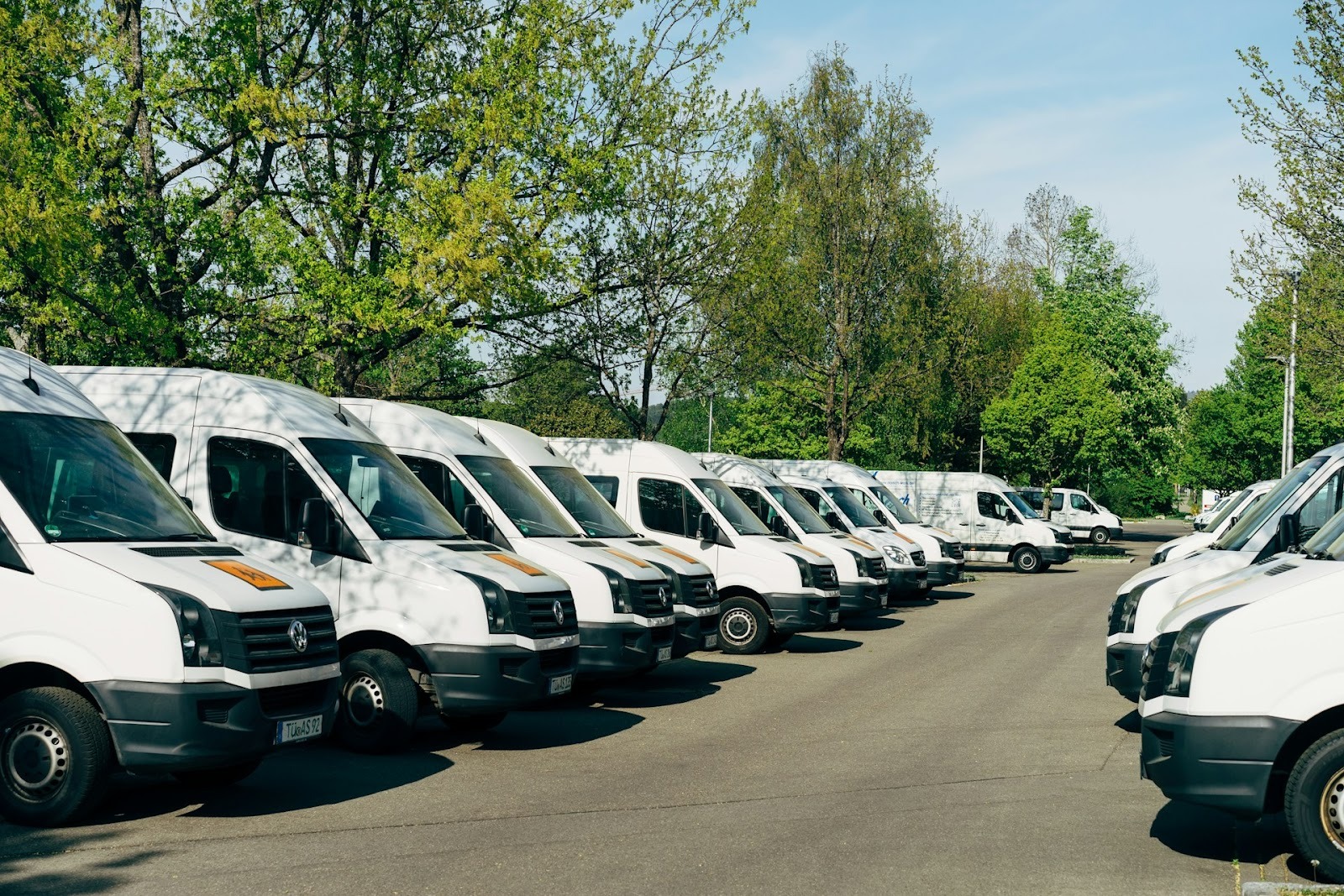
Garbage truck weighing mechanisms are crucial to smart waste management technology as they enhance efficiency and sustainability. These systems accurately measure the weight of the waste being loaded onto each truck during collection.
This enables real-time data collection, allowing your business to monitor and track the weight of each pick-up. You can use this data to optimize routes and collection schedules based on the actual load of each truck.
Accurate weight measurements also help businesses calculate waste disposal fees correctly, as many disposal facilities charge fees based on the weight of the disposed materials. This ensures that waste management companies are billed accurately, preventing overcharges or underpayments.
Furthermore, by encouraging more efficient waste-handling practices, these systems contribute to environmental sustainability. They reduce fuel consumption and greenhouse gas emissions. They also promote a safer working environment for waste collection personnel, as overloading can lead to accidents and injuries.
Route optimization leverages advanced algorithms and data analytics to streamline the waste collection processes. This technology analyzes various data points, including the locations of waste bins, historical collection data, traffic conditions, and even weather forecasts.
The software then processes this information and generates the most efficient collection routes for garbage trucks. This minimizes travel distances, reduces collection time, and optimizes vehicle capacity utilization.
The top benefits of route optimization include:
The integration of the Internet of Things (IoT) in waste management technologies stands as a prime example of IoT's industrial applications. Simply put, IoT's role in waste management revolves around using advanced sensor technology and cloud computing.
These high-tech sensors are installed in waste containers to monitor their fill levels in real-time. Waste management companies can then use the data from these sensors to optimize collection routes, pinpointing exactly when and where pickups are necessary.
The overarching goal of IoT within this sector is to ramp up efficiency and generate cost savings, primarily by curtailing the number of superfluous collections. Through IoT innovation, waste management becomes a data-driven venture, smartly navigating the delicate balance between operational effectiveness and environmental stewardship.
Data analytics is pivotal in optimizing waste collection and disposal processes, improving overall efficiency and sustainability. It entails using advanced data processing techniques to collect, analyze, and derive valuable insights. This data is generated by various components of waste management systems.
With data analytics, you can harness the power of data to optimize collection routes and reduce operational costs. You can also use data analytics to enhance environmental sustainability, and provide valuable insights for decision-making. This transforms waste management from a traditionally reactive process into a proactive, data-driven approach that benefits both municipalities and the environment.
Here's how you can apply data analytics in waste management:
AI-driven recycling robots equipped with sophisticated machine learning algorithms and computer vision technology are revolutionizing the recycling industry. These advanced sorting systems can swiftly distinguish between recyclable materials and general waste materials. As a result, they can boost recycling efficiency and minimize contamination.
Not only do they enhance the sorting process, but they also promote workplace safety by reducing human workers' exposure to potentially hazardous conditions. By diverting more materials away from landfills and incinerators, these smart robots support environmental conservation and generate long-term cost savings for recycling operations.
Waste management software and mobile apps play a major role in automating waste management tasks. For a long time, the waste management industry has relied upon conventional tools like spreadsheets, papers, calendars, and unintegrated software. While these are all essentials to completing jobs on your todo list, they are often expensive and time-consuming.
Software specifically tailored for waste management revolutionizes the entire process. Here are some transformative features you could benefit from:
Solar-powered trash compactors are smart, self-contained units designed to address the challenges of overflowing bins in high-traffic public areas like parks, transit hubs, and shopping districts. These bins use solar panels to power an internal compaction mechanism that crushes waste automatically when it reaches a certain level.
By compressing trash as it is deposited, these units can hold much more waste than a traditional non-compacting bin of the same size.
These bins also have IoT sensors that transmit real-time fill-level data to waste management teams. This allows for "dynamic routing." Instead of following a fixed daily schedule, collection trucks only visit bins that are actually full.
Implementing these systems can reduce collection frequency from daily to weekly, helping municipalities and businesses save on operational costs related to labor, fuel, and vehicle maintenance.
The most commonly used waste management technologies include smart waste bins with fill-level sensors, fleet management and GPS tracking systems, route optimization software, IoT-enabled containers, data analytics platforms, waste management software, and AI-powered recycling systems. Together, these tools help waste haulers and municipalities improve efficiency, reduce costs, and increase recycling rates.
Artificial intelligence improves recycling and waste collection by automating sorting, optimizing routes, and analyzing operational data. AI-powered recycling robots use computer vision to accurately separate materials, reducing contamination and improving recovery rates. In collection operations, AI helps predict bin fill levels, optimize routes, and identify maintenance issues before they cause downtime.
Route optimization software analyzes traffic, bin locations, and historical data to create the most efficient collection routes. This reduces fuel consumption, vehicle wear, labor hours, and greenhouse gas emissions.
Smart waste bins use sensors to monitor fill levels in real time and alert collection teams only when bins are nearly full. This reduces unnecessary pickups, lowers fuel costs, and prevents overflowing containers.
Route optimization and fleet management software typically deliver the greatest fuel and operational cost savings. By using real-time traffic data, bin fill-level insights, and historical collection patterns, these systems reduce unnecessary trips, shorten routes, minimize idling, and lower vehicle wear, leading to significant reductions in fuel consumption and labor costs.
IoT enables real-time data collection from bins, vehicles, and equipment. This data allows waste management companies and municipalities to shift from fixed schedules to demand-based, data-driven collection.
Waste management software centralizes dispatching, billing, GPS tracking, reporting, and customer communication. It reduces manual work, improves visibility across operations, and supports better decision-making.
New technologies represent a transformative leap in waste management operations. They offer unprecedented optimization of the entire waste collection and processing cycle. This enhances efficiency and streamlines operations.
For instance, smart fleet management optimizes route planning, reducing fuel consumption and saving operational costs. Additionally, data-driven decision-making lets you prioritize the areas needing attention. In turn, you can allocate resources accordingly. While adopting new technologies may seem daunting, it is essential to embrace them as they offer significant business benefits and can lead us toward a more sustainable future.
Don't let this innovative waste management wave leave your company behind. Discover a smarter way to manage your waste hauling operations with Basestation. Our cloud-based software helps waste haulers schedule routes, dispatch drivers, track assets, and invoice customers – all in one system.