The world’s population produces around 2.13 billion metric tons of municipal solid waste annually. According to Statista, experts forecast that this amount will increase to around 3.78 billion metric tons by 2050. As such, there is a huge, never-ending demand for waste management services, leaving plenty of opportunities open in the industry.
If you’re looking to get into waste management, keep reading to learn about the benefits and the steps to follow in order to start a waste management business.
Starting a waste management business offers long-term stability because demand is consistent across residential, commercial, and industrial sectors. Waste collection, removal, and disposal are essential services that aren’t affected by seasonal shifts or short-term economic changes. This creates reliable revenue opportunities, especially when services are structured around recurring pickups, service contracts, or long-term municipal and commercial agreements.
There is always going to be a need for waste management, removal, and disposal services in both the commercial and residential sectors. Because it’s an essential service with constant demand, waste management businesses can be quite profitable and recession-resistant.
The profit potential is particularly strong for those who offer a good service mix. While residential routes offer consistent volume, commercial and industrial contracts often see EBITDA margins of 30% to 40% due to higher pricing flexibility and specialized handling requirements.
By focusing on route density and the right customer split, businesses can quickly offset initial equipment costs and move toward long-term profitability.
Beyond the immediate gains, waste services are built on a foundation of recurring revenue. Professional and convenient services lead to multi-year contracts that provide a predictable, steady cash flow.
A waste removal business can have a substantial impact on conservation and pollution reduction.
Firstly, there is potential for recycling and reusing waste products. With recycling, new opportunities, such as reclaiming plastic, metal, paper, and glass, can bring in more money as recycled materials often have a higher resale value. This means less waste is sent to landfills and more waste is recycled.
Secondly, waste management companies dispose of waste responsibly, which is important for minimizing the contamination of landfills.
So, by starting a waste management business, you can contribute to a greener economy.
Another important benefit of starting a waste management business is that you will create jobs. You will need to hire drivers, administrative staff, and other workers to run your business and all its services. This creates job opportunities for people in your local community.
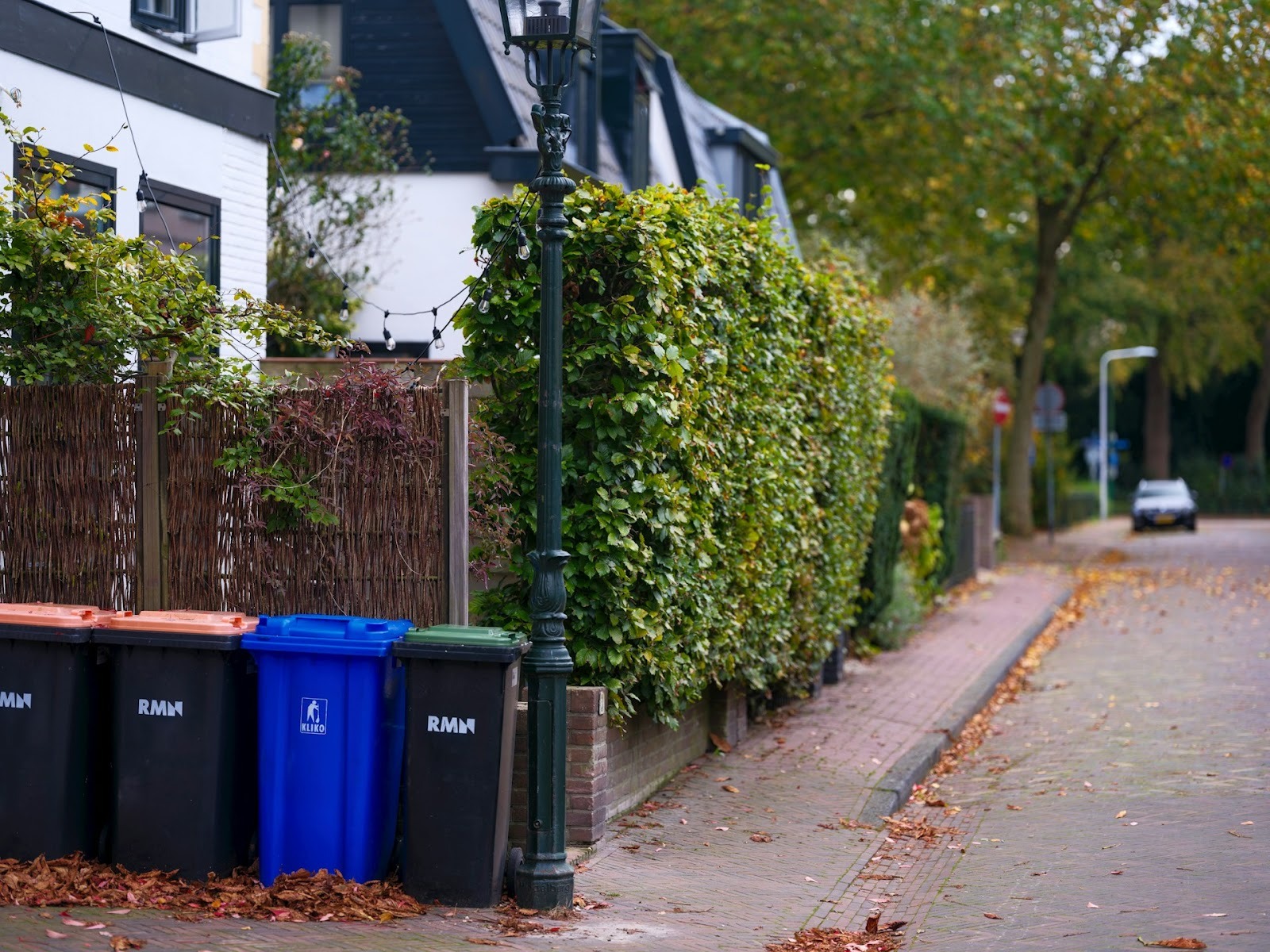
Starting a successful waste management business requires careful planning, regulatory compliance, and significant upfront investment. Operators must make early decisions around service focus, equipment needs, licensing requirements, and funding, all of which directly impact operational efficiency and long-term profitability.
A structured approach helps ensure each foundational element is addressed in the correct order, from defining your service niche and understanding market demand to securing permits, insurance, equipment, and staff.
There are numerous fields within waste management and you need to decide which field your business will serve. Your specialization or niche within the waste industry will then guide your business plan and service offering.
Waste management fields to consider are:
Choosing a field can be difficult so the best thing is to look at your budget, the equipment you’ll need, business complexity, growth potential, and the pros and cons of each field. For example, residential and commercial waste typically require lower compliance than hazardous or medical waste but rely more heavily on route density and customer volume.
You also need to focus on the area you want to service, such as the residential or commercial sectors.
The next step is to conduct market research and find out who the competitors in your field are and what they offer. This enables you to identify gaps in the market and differentiate your business from those competitors.
Market research will help you analyze the services already being offered in your area and allow you to pinpoint potential customer segments. From here, research your customers, including their requirements and preferences with regard to waste management services.
Review local permit databases, municipal contracts, and competitor service areas to identify underserved routes or customer segments. Speaking directly with construction firms, property managers, or local businesses can reveal service gaps that online research may miss. This allows you to understand what you can provide in order to meet their needs.
A business plan or business outline is essential for the success of your waste management business. It will enable you to stay focused and achieve your goals for the business.
In your waste management business plan, include the following:
Defining all of these elements provides clarity on how your waste management business will operate.
You need to register your business with the local or federal government in order to get the documentation required to operate a waste management business, such as licenses, bank accounts, and certifications.
When registering, you will need to decide on your business structure. Some of the most common structures include:
You will then need to apply for access to disposal sites and follow the relevant environmental compliance documents. These will differ depending on what state or country you’re operating in.
Obtaining a tax number will also be required for official contracts and to set up your business finances.
In addition, your fleet will need to be equipped with the correct equipment – and vehicles can only be purchased in the company name once it’s a registered company.
Note that medical waste transportation companies need special licenses. These licenses can also only be issued to registered businesses. Licensing timelines can vary widely by region and waste type, so factor approval lead times into your launch schedule.
Insuring your business is essential to avoid personal liability. Obtain insurance for public liabilities, such as if your truck overturns and spills waste on a local street.
Other types of liabilities that business insurance will protect you from include:
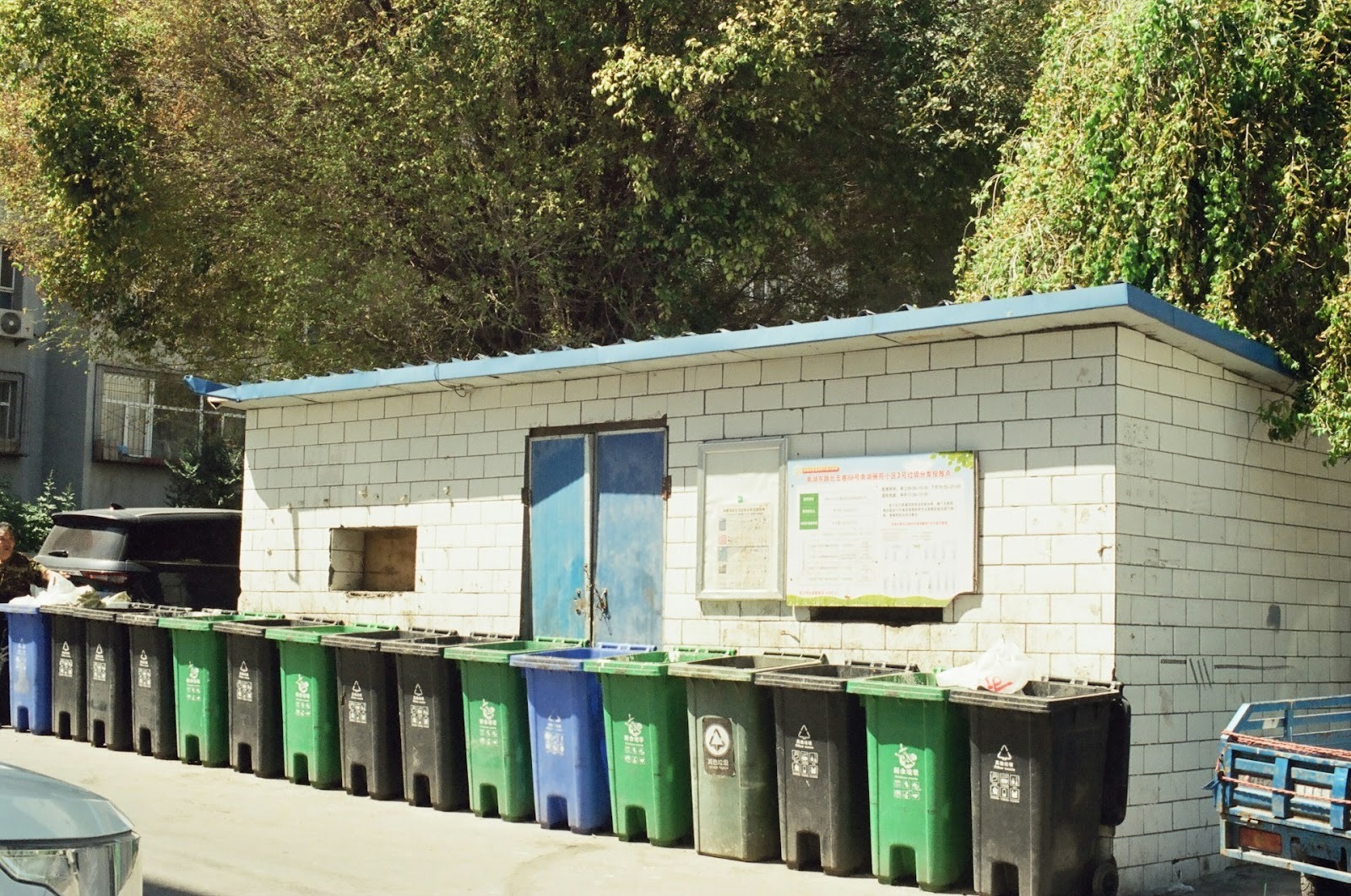
Most startup companies require capital investment. Some methods to fund your waste management business include:
The waste management industry is very capital-intensive – you will need to purchase trucks, containers, and other equipment.
You’ll also need to hire specialized drivers, pay licensing fees, and secure a waste disposal site for waste processing.
Any business will require a business account with a reputable bank. You’ll need a valid and up-to-date tax record to open a business account.
It’s a good idea to engage the services of a professional accountant. They will assist you with filing taxes and applying for tax clearance or auditing certificates as needed.
Ensure you bring your company license and social security number to open the account at your preferred bank.
Determining what waste your company will dispose of will tell you what tools you need. For example, when disposing of liquid waste, you will use different tools and equipment than when disposing of solid or hazardous waste.
Consider the equipment needed to pick up, haul, offload, and process waste, and list all the equipment your business needs for daily operations.
Important equipment you may need include:
Before you purchase your equipment, research vendors that supply the equipment you need and get comparative quotes. Also look at discounts or special offers to help you stay on budget.
The biggest trap for a new waste business is over-investing in equipment too early. A brand-new rear loader can cost between $150,000 and $300,000, which carries heavy monthly payments that can stifle your cash flow before you’ve built route density.
For most startups, quality used equipment is the smart play. A five-year-old truck has already absorbed its steepest depreciation (often 20–30% in the first year alone) but still offers a decade of service life if properly maintained. If you go the used route, request full maintenance logs and hydraulic pressure tests.
Many successful owners also recommend starting with a hook-lift system. Unlike a dedicated garbage truck, a hook-lift allows one chassis to swap between different bodies, like a dumpster, a flatbed, or even a liquid tank, which effectively gives you three specialized vehicles for the price of one.
Working with paper logs or basic spreadsheets leads to billing leakage and inefficient routes that eat your fuel budget. Using specialized waste management software from day one is essential.
Look for an all-in-one platform like Basestation that streamlines these functions:
By automating these repetitive tasks, you free yourself to focus on sales and growth rather than chasing down missing bins or manually entering data.
Hire appropriate and qualified staff. They will be the backbone of your business so you want to be careful during the hiring process to ensure you’re getting the right people for the job.
Your employees should be able to communicate well and provide professional customer service to ensure clients have a positive experience with your company. Remember, customer service can make or break a business.
Drivers should have the required driving licenses for the vehicles they drive or operate. This helps ensure full compliance with local or state laws.
Your business is only as good as its brand. To be successful, create a brand that clients can identify with and support. Once you have defined your brand identity, it’s important to take the business online.
Ensure you have a well-designed, local SEO-optimized website that outlines your services and how to get in touch with your business. Your website can also be used to educate the communities you work in, and it’s where you will highlight your unique value proposition. Advertise deals, freebies, and offers like free disposal units, garbage bags, or school initiatives to areas your company services.
It’s also important to create a business listing on Google My Business so that potential clients can easily find your services when Googling. Another way to build your online presence is by featuring your company in online directories, such as Yelp.
In business, marketing is vital to your company’s return on investment (ROI). Market your services, ensuring you are the first waste management service provider to come to mind when people want to hire a company.
Investigate your ideal customers to find out what they want, but also study your competitors to get an advantage. Then you can develop advertising campaigns and monitor their performance to see which work well and which don’t. This helps you to refine your advertising strategies and improve future campaigns.
Also put some effort into social media channels where clients and prospects can follow you and keep up to date with your business. Through platforms like Facebook and Instagram, you can reach more people by creating engaging content that interests your target audience. It’s also very easy to run paid campaigns on social media to enhance your visibility and reach.
Once your business is set up and in operation, it’s essential to keep everything running smoothly. This includes ensuring you are always maintaining compliance with relevant regulations and policies. Your licenses will need renewal and employees need refresher courses in different equipment and tasks.
Lastly, focus on providing outstanding customer service to all your clients to ensure they keep coming back. This means providing timely customer support as needed and using the right tools and systems to ensure clients can easily access information on their service.

Very. The industry average EBITDA margin is roughly 25%, but well-optimized commercial and industrial routes can see margins of around 30% to 40%. Because waste removal is an essential service, these profits are quite stable even during economic downturns.
A typical startup requires between $160,000 and $350,000 in initial capital. The majority of this (approx. 80%) goes toward specialized trucks and containers. You can lower these entry costs significantly by purchasing good-quality used equipment.
The four primary methods for handling waste are:
Success follows a clear path:
Focus on Local SEO and truck branding. Since waste is a local service, a highly optimized Google Business Profile and a professional website with clear service areas are essential. Additionally, your trucks are essentially billboards – clear branding on your fleet is a great driver of residential leads.
With the necessary preparation and groundwork, along with a clear focus on your particular target market, it’s possible to bring all of the above-listed elements together to achieve success for your business.
To elevate your operations, ensure you use the latest and most efficient waste management software, such as Basestation. Basestation will save you time, keep you organized, and reduce administrative headaches with our user-friendly and all-in-one software solution for the waste management industry. To learn more about Basestation, book a demo today, and let us show you how we can help streamline your hauling operations.