Starting a portable toilet business can be a profitable opportunity for entrepreneurs looking to enter a stable, service-based industry. Portable toilets are essential at construction sites, outdoor events, and temporary locations where permanent restroom facilities are unavailable, creating consistent demand across multiple industries.
A portable toilet business typically involves renting, servicing, and maintaining portable restroom units for commercial customers such as construction companies, event organizers, and municipalities. While startup costs can be significant, the business benefits from recurring revenue, predictable service schedules, and relatively low overhead compared to many other service businesses.
However, success in the portable toilet industry depends on more than purchasing units and delivering them to job sites. Business owners must understand local market demand, pricing models, regulations, waste disposal requirements, and operational logistics before getting started.
If you're looking for information on what it takes to run a successful portable toilet business and the potential challenges that come with it, read on. This article explores the profitability of a portable toilet business and provides a comprehensive guide to help you kickstart your venture.
Renting out portable toilets can be a fruitful venture, with potential annual earnings ranging from $50,000 to $150,000. However, it's important to note that income can fluctuate based on factors such as location, demand, business size, and business acumen.
Profitability is largely driven by recurring rentals from commercial customers. Construction companies, event organizers, and municipal projects often require long-term or repeat service contracts. This creates predictable revenue streams and stable cash flow.
Several key factors influence how profitable a porta potty rental business can be:
Like any service business, profitability improves over time as equipment costs are recouped and operations become more efficient. Businesses that focus on customer retention, reliable service, and cost control are more likely to achieve consistent long-term profits.
Starting a portable toilet business has its pros and cons. Here is a breakdown of some of the major factors to consider:
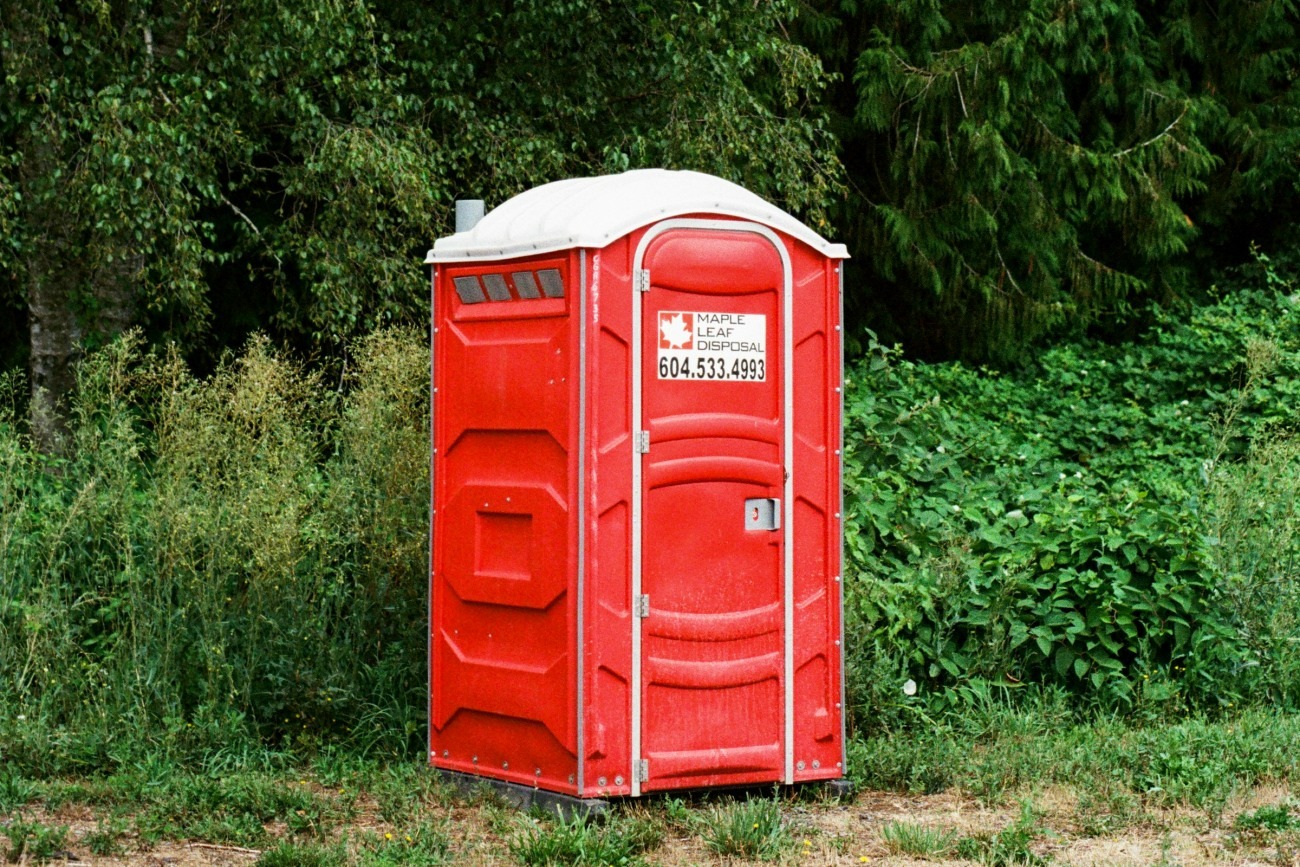
The first step towards creating a successful business is understanding the market. You need to research and analyze the market in your area to determine if there is a demand for portable toilets.
North America is a major force in the global portable toilet rental industry, currently holding a 35% market share. The global market is projected to reach approximately $34.5 billion by 2032, growing at a compound annual growth rate (CAGR) of 7.89%. This steady growth shows consistent demand across construction, infrastructure, and event-driven use cases.
Aside from understanding your area's market share and growth prospects, you must also research and understand your target market.
In North America, the two largest customer segments are:
Understanding these segments helps you anticipate service frequency, rental duration, and inventory needs.
Setting competitive pricing starts with researching average rental rates in your local area. Portable toilet rental prices are influenced by several factors, including:
By comparing rental rates in your vicinity, you can gauge the average and adjust your pricing accordingly.
Analyzing your competitors provides valuable insight into how saturated your market is and where opportunities may exist. Identify other portable toilet rental businesses in your area and review:
This information can help you differentiate your business by offering unique services or competitive pricing.
When researching competitors, review their customer feedback. This will provide valuable insights into their strengths and areas where they could improve.
It is crucial to determine the ideal quantity of portable toilets required for various events or construction sites. This ensures you have enough inventory to meet demand without overstocking and incurring unnecessary expenses.
Here’s how to determine the optimal number of portable toilets you need:
By gathering this information, you gain a clearer understanding of demand patterns and the competition in your area. Start with a manageable inventory and expand as demand becomes predictable.
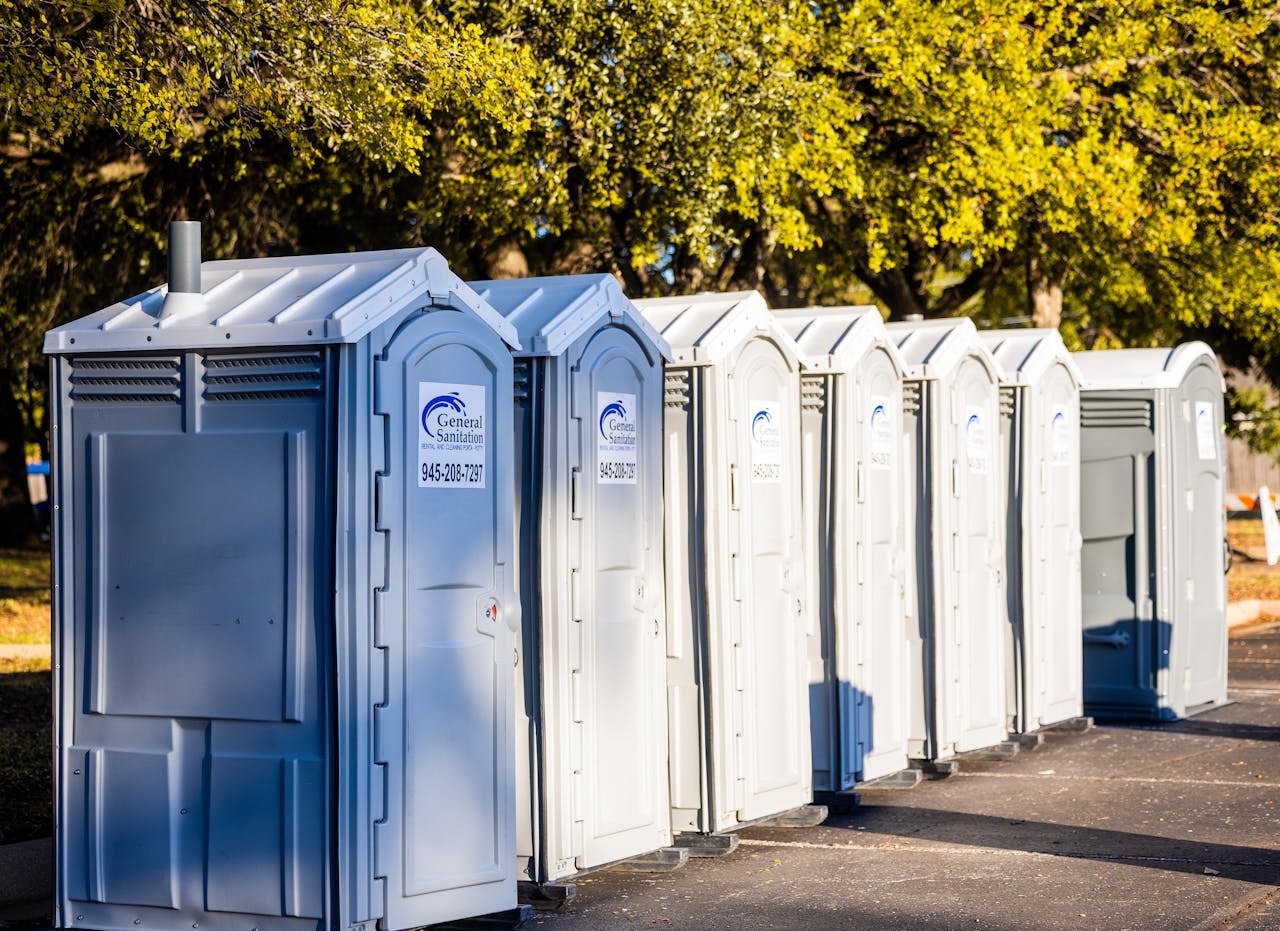
Once you understand the market and have a robust business plan, you can work on starting your portable toilet business. Here are essential items you'll need to kickstart your venture:
Before launching your business, you must get a business license and any necessary permits from your local government. These requirements may vary depending on your location. Research and fulfill all legal obligations.
Some licenses and permits that your local government might require you to have include:
Starting a portable toilet business typically requires an initial investment of $160,000-$350,000, depending on fleet size, equipment, and location. This investment encompasses various startup costs, including:
Wondering how to secure this capital? Here are several options to consider:
An important detail that many people overlook when starting a porta potty business is the need for storage space. Clients may use portable toilets for varying lengths of time, and you might receive multiple inquiries from potential clients even before the current ones are finished.
However, there could also be periods when no clients require your porta potty rental services for several days. This is where having storage becomes essential.
Renting a storage unit or warehouse space simplifies storing your equipment and portable toilets. Storing your toilets can have its advantages, as it provides the opportunity to rebrand and maintain them when needed.
When purchasing portable toilets, you'll notice that there are different types available in the market. These include:
Given the diverse requirements of your potential clients, it's crucial to consider investing in a variety of porta potty units to cater to every need. Having an array of options ensures you're prepared to provide the right solution for every job.
A portable toilet business requires a reliable team to handle delivery, servicing, and customer support. Staffing needs vary based on fleet size, service area, and how frequently units need to be cleaned and maintained.
Typical roles may include drivers responsible for delivery and pickup, technicians who service and sanitize units, and customer service staff who manage scheduling and client communication. Some businesses may also require administrative support to handle billing and dispatching.
Investing in vehicles to transport your porta potties to different locations is essential. These vehicles may include vans, haulage vehicles, or trucks, depending on the size and number of units you have.
Regular maintenance of these vehicles is crucial to ensure they remain in good working condition and can handle the weight of transporting portable toilets.
Portable toilet businesses must use approved municipal or private waste disposal sites to legally and safely dispose of waste. Familiarize yourself with the local laws and regulations regarding waste to ensure compliance and safeguard public health.
You'll need to secure a waste disposal site, likely requiring a permit. Ensure you research various disposal sites in your local area and compare their disposal fees. Also, consider each site's operational hours and capacity to ensure it fits your business logistics and budget.
Before choosing a site, consider its proximity to your operational area. The closer the site, the less time and money you'll spend on transportation. If your routes are extensive, waste management software might help with routing optimization, offering efficiency.
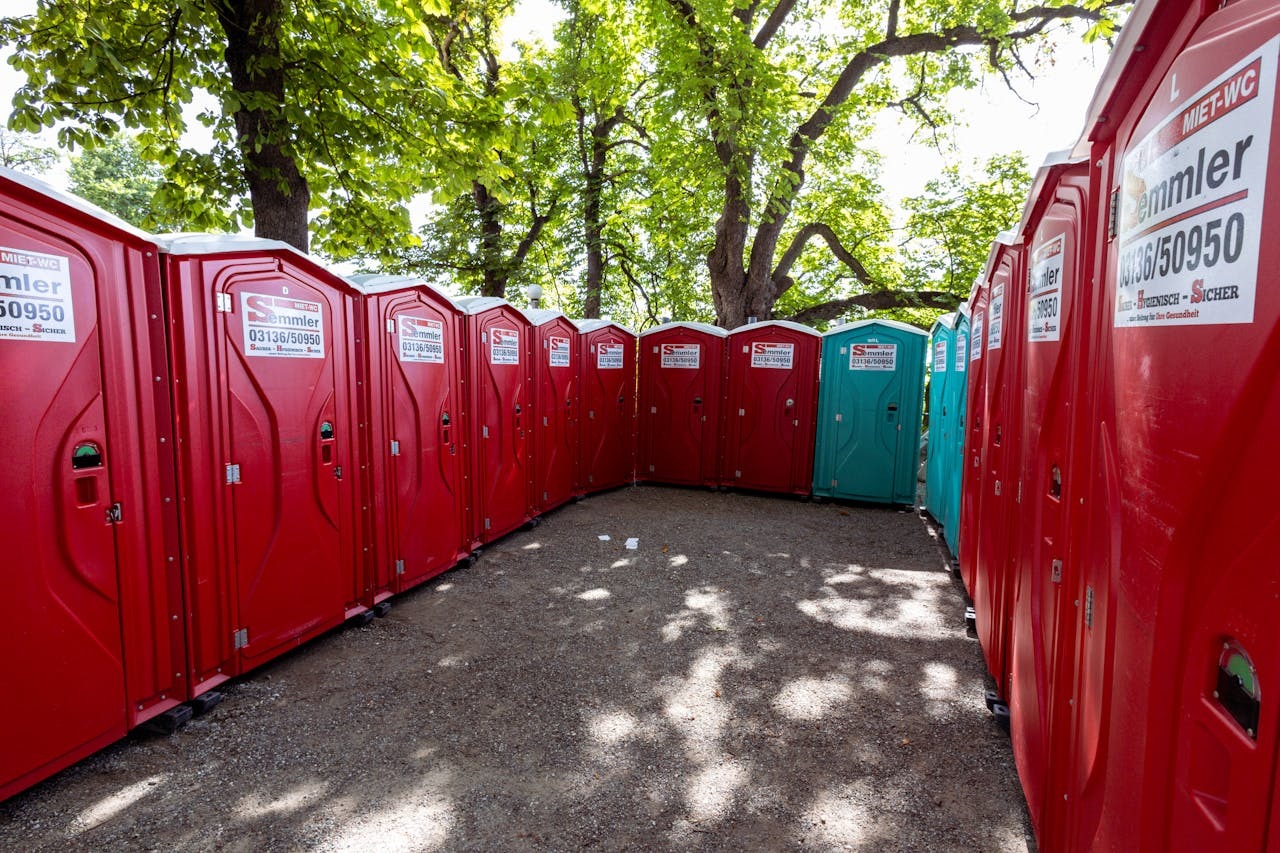
Selecting a business structure is a crucial decision that affects various aspects of your operation. This decision affects your income taxes, your ability to secure financing, your method of paying yourself, and your eligibility for specific types of insurance.
Each business structure comes with its distinct advantages and responsibilities. Let's explore different business structures and their associated liabilities and tax implications.
A sole proprietorship is the simplest structure for a small business, offering complete control over finances and operations. However, there's no legal separation between you and your business, potentially putting personal assets at risk in case of legal or financial issues.
All business profits and losses are reported on personal income tax returns, potentially limiting financing options and tax deductions.
A partnership involves two or more individuals running a business together, with two types: general and limited. In a general partnership, all partners share equal responsibility for operations and debts, exposing each to liability.
Limited partnerships provide liability protection based on individual investment but involve more formalities. Partnerships, like sole proprietorships, are pass-through entities for tax, with profits and losses reported on individual tax returns.
A corporation is a separate legal entity, providing maximum protection for personal assets and limited liability for shareholders. However, forming one involves extensive paperwork and compliance with state laws.
Corporations face double taxation, but they offer advantages like easier funding access through stock sales and potential tax deductions for specific expenses.
An LLC combines the limited liability protection of a corporation with the flexibility and tax benefits of a partnership.
LLCs are relatively easy and inexpensive to set up compared to corporations, require less paperwork, and offer pass-through taxation like partnerships.
However, LLCs can only have limited owners (known as members) and may face more scrutiny from the IRS for taxes.
In addition, some states impose higher fees and taxes for LLCs than other business structures.
Starting a portable toilet business typically requires an initial investment of between $160,000-$350,000. This includes the cost of purchasing portable toilets, vehicles, permits, insurance, staffing, storage, and servicing equipment. Actual startup costs may vary depending on fleet size and location.
A small business with 10-20 units can generate annual revenues between $150,000 and $300,000. On average, a single standard unit can rent for $75-$150 per week, while luxury trailers can be rented out for $500–$1,000+ per weekend.
The industry averages a net profit margin of 20% to 25%. While Standard units provide steady recurring income from construction sites, Luxury units for events often have higher margins due to premium pricing, despite higher maintenance needs.
Yes. You generally need a general business license, but, more importantly, you need health department permits and waste-hauling permits. If placing units on public sidewalks or roads, you may also need a specific "highway" or "encroachment" permit from the local municipality.
Requirements vary by location, but most portable toilet businesses need a business license, operating permits, vehicle registrations, and approval to use designated waste disposal sites. You will need:
The number of portable toilets you need depends on local demand, customer type, and service capacity. Many businesses start with a smaller fleet and expand as demand becomes predictable. Most experts recommend starting with 15-20 units.
Yes, servicing portable toilets requires specialized equipment such as vacuum trucks, cleaning tools, sanitation supplies, and approved waste disposal access. Proper equipment ensures compliance with regulations and maintains service quality.
Many portable toilet businesses choose a Limited Liability Company (LLC) because it offers personal asset protection and flexible tax treatment. However, the best structure depends on your financial situation, growth plans, and local regulations.
Starting a portable toilet business can be a profitable venture with low overhead costs and the potential for substantial earnings. However, before venturing into this industry, it's essential to conduct thorough market research and understand the potential challenges that lie ahead.
When seeking financing for your portable toilet venture, it's crucial to consider repayment terms and interest rates carefully. Take advantage of any government grants for which you may be eligible to assist with initial investments in equipment and supplies.
To remain competitive and adapt to growing market needs, continuously enhance your services. One effective strategy is to invest in portable toilet software, which can simplify your operations significantly.
Explore our Basestation cloud-based platform, specifically designed for portable toilet businesses. This software streamlines scheduling, invoicing, and management tasks, ultimately saving you time and enhancing customer satisfaction. Book a demo today!